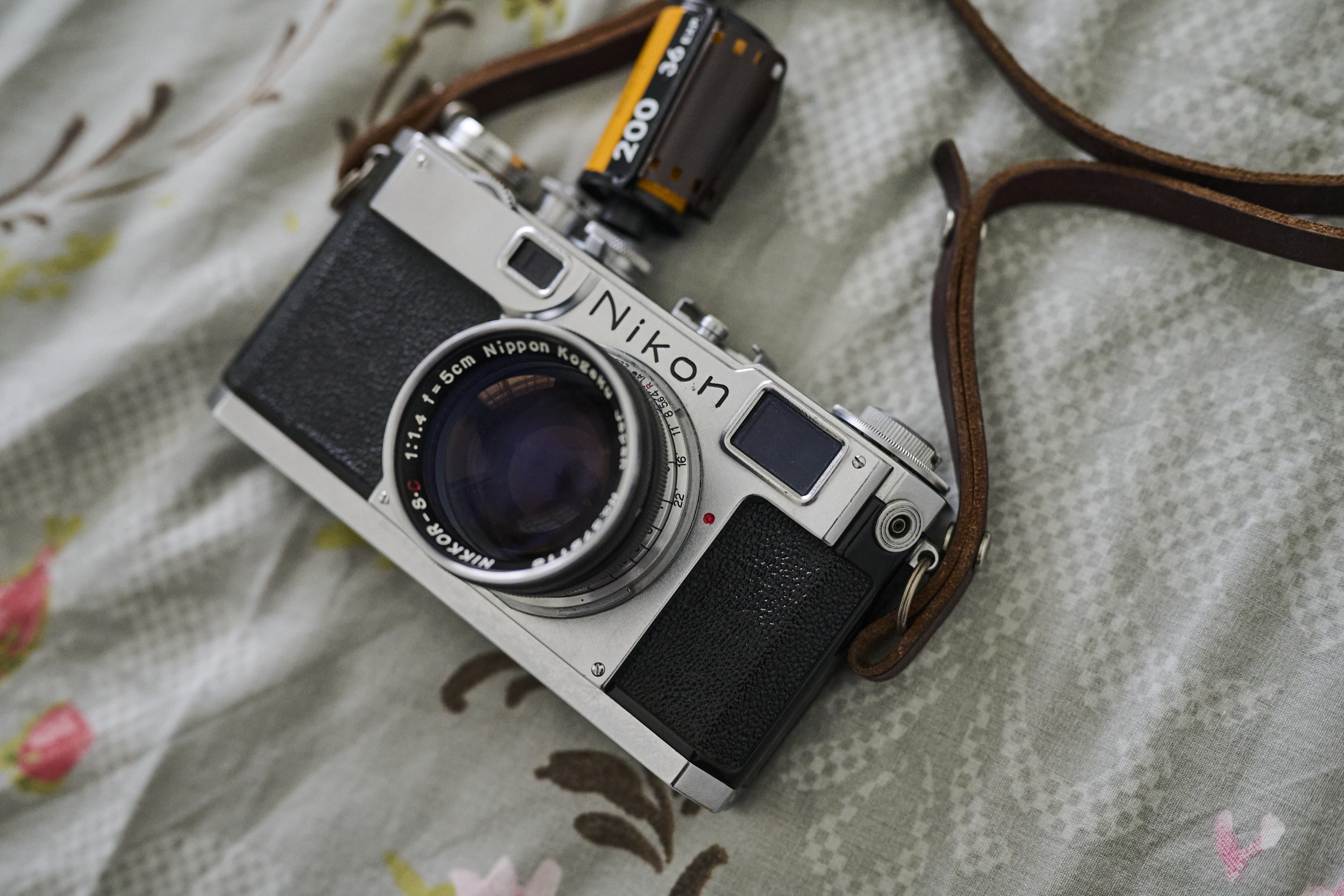
Beautifully engineered mechanical design, with a supremely accurate rangefinder and looks that still turn heads, the Nikon S2 is a camera that can bring you oodles of joy even today. Without any electronics in it whatsoever, it still manages to churn out one great image after another. More than anything, the Nikon S2 proves that good photography fundamentals don’t age. Give a photographer a reliable camera, a good lens and a roll of film, and you can still create images that go wow.
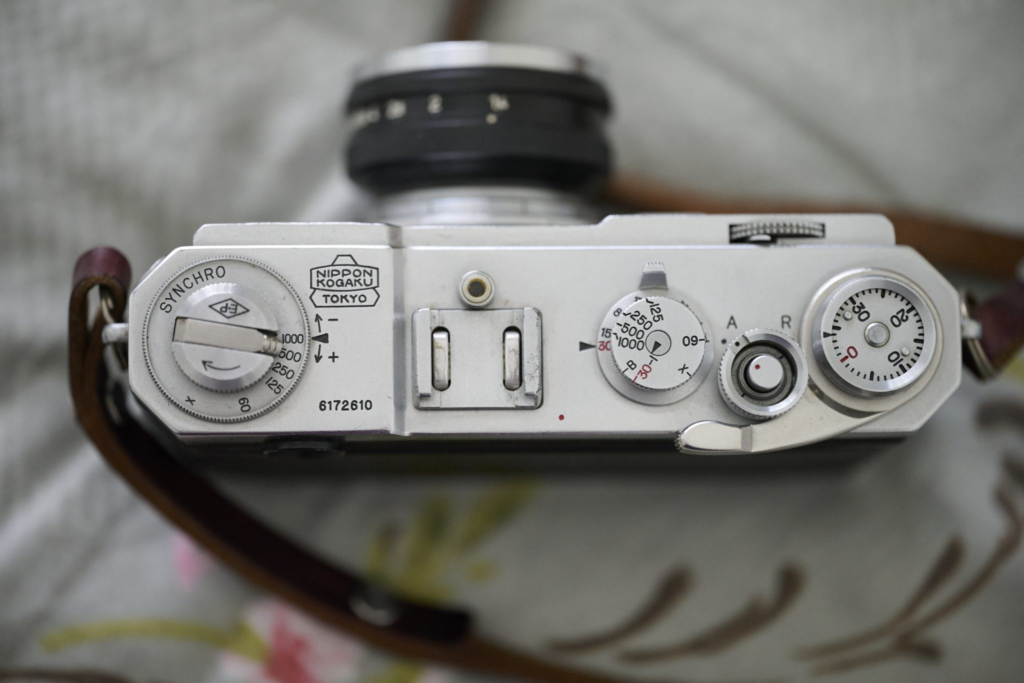
No electronics, no battery, no light meter, no automatic advance – is the Nikon S2 still a camera that can deliver the goods in this day and age? Absolutely and without the slightest hesitation of doubt – a big resounding yes. There are plenty of old film cameras that are interesting simply because they are considered vintage, and then there are cameras that remain interesting because the ideas behind them still make sense. The Nikon S2 belongs firmly in the second category. It’s over seven decades old, having been released back in 1954. Yet pick one up today, and it is easy to understand why this camera built such a strong reputation among professional photographers.
It’s completely mechanical, and if you’re coming straight from years of digital camera usage, at first it will slow you down more than you think it can. But it doesn’t feel like a museum piece when you use it, the experience being relatively easier to get accustomed to once you’ve shot 10 to 15 frames. In a lot of ways, this camera is a good reminder that you don’t need tons of features to get good shots of what’s around you. Strip it all down to the very basics, and you can still make photos that are memorable and bring smiles. The Nikon S2 puts you in control and gives you a reliable connection between what you see and what eventually appears on film. This camera arrived at an important moment in photographic history bringing a 24×36mm 35mm frame and introducing a 1:1 viewfinder, lever film advance and rewind crank. The horizontal-travel focal-plane shutter reached 1/1000 sec, which was quite an achievement for cameras at that time.
If there’s one thing that you might struggle with while using it, it’s the lack of an inbuilt light meter. I used the LightMeter app by David Quiles (available on the Apple and Google app stores) to measure what shutter speed I’d need to use, and this did a fantastically accurate metering job on many occasions.
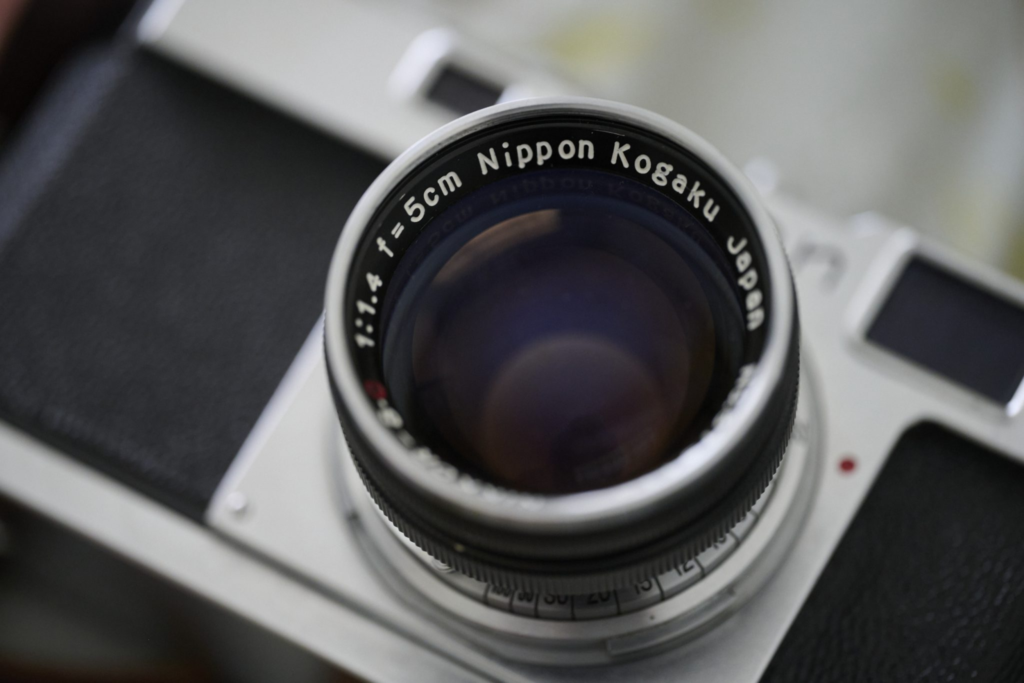
With the S2, Nikon was trying to make a serious working camera, and its history reflects that. And while it might have been the bee’s knees back then, you will realize as soon as you pick it up, just how stripped down it is compared to even a DSLR from 20 years ago. Between your skill and this camera lies only the personality of the design and the seeming intricacy of the photography mechanism it presents to you. There is no LCD screen or semi electronics viewfinder, no autofocus at all, and no battery indicator (because there are no batteries). You load the film, set the shutter speed, select your aperture, focus using the tiny rangefinder screen, trying to line up the rectangular focusing patch in the middle, and then press the shutter. It’s even got a system to help you take double exposures should you wish to dabble in this.
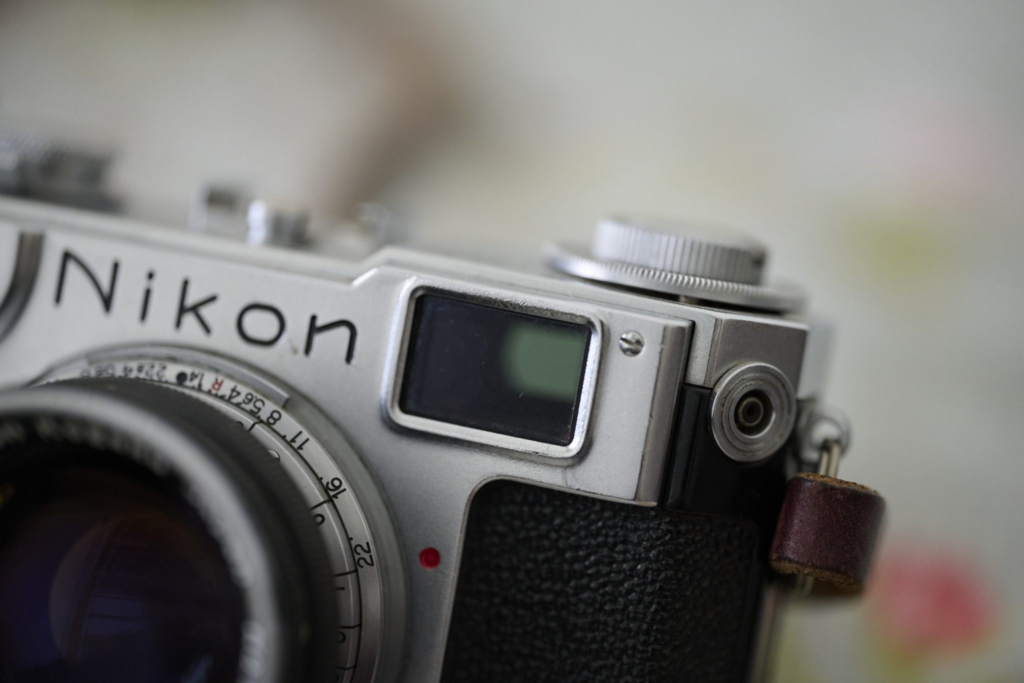
The Nikon S2’s 1:1 finder is particularly interesting as Nikon designed it so that the view could be seen at life-size, allowing the photographer to keep both eyes open while composing. It’s a tiny detail but one that makes a pretty big difference in helping you compose when using this camera. In some ways, not having to look at an LCD screen or EVF can be considered a liberating experience for modern photographers who don’t shoot analog. You’re looking through a tiny window and using that space to figure out what’s visually important and what’s not, without having to let a computer tell you what to place your eyes on. For street photography and documentary work, that can be a wonderful way of working.
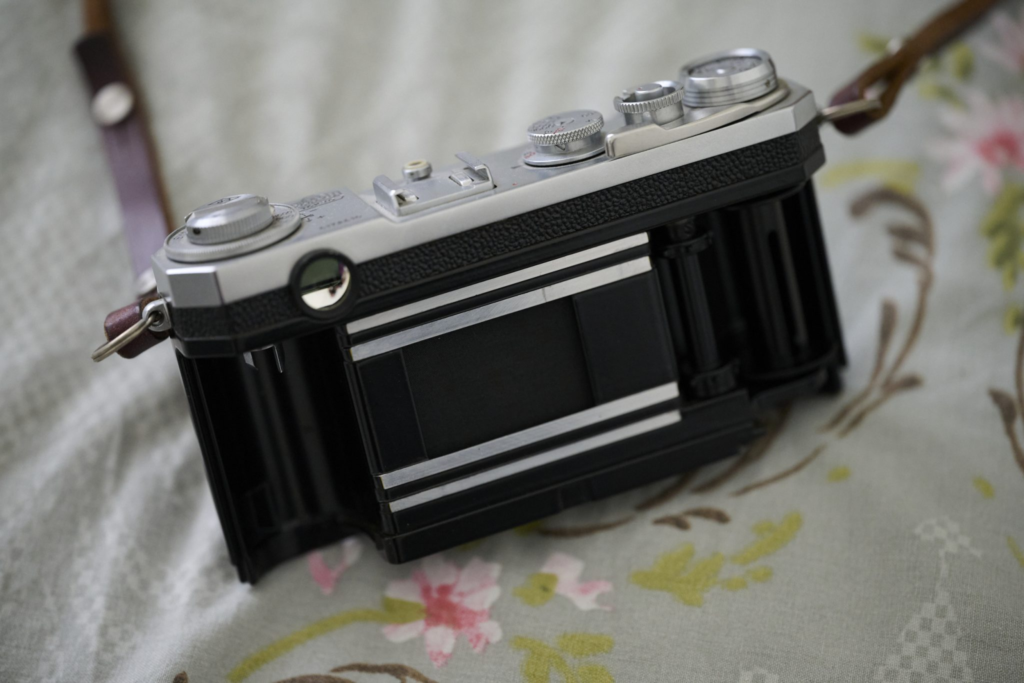
Nikon specifically introduced a one-motion winding lever to make the camera faster and easier to operate, also giving you the option to wind partially or fractionally. In addition to that, they also brought out a pendulum brake to help stabilize the rebounding of the “Habutae” silk shutter curtain at high speeds like 1/1000s. Serious engineering advancement in this camera for a time when cameras were considered slow and often chunky. All of this comes together to give you a rewarding experience before, during and after clicking the shutter.
The S-mount lens on my Nikon S2 reads 5cm, not 50mm. It’s a very pleasingly shallow f1.4 at its widest and even stopped down to f2.8, the bokeh is as creamier than your grandma’s famous mashed potatoes. Images seen here were shot on Kodak ColorPlus film and scanned using the brilliant Valoi Easy35 v2 system.
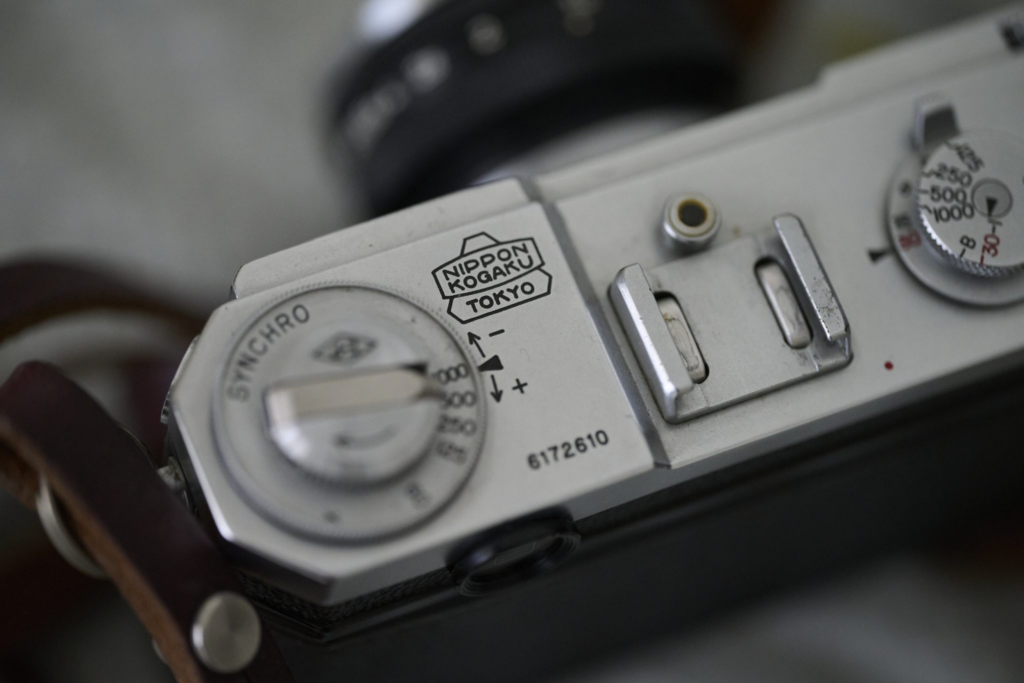
These tech specs are courtesy of Mike Eckman’s website.
- Film Type: 135 (35mm)
- Lens: 5cm f/1.4 Nippon Kogaku Nikkor-S coated 7-elements
- Lens Mount: Nikon S-mount Bayonet (modified Contax mount)
- Focus: 3 feet to Infinity
- Viewfinder: Coincident Image Coupled Rangefinder with 50mm Projected Frame Lines
- Shutter: Cloth Focal Plane
- Speeds: T, B, 1 – 1/1000 seconds
- Exposure Meter: none
- Battery: None
- Flash Mount: Hotshoe and M and X Flash Sync
This article was first published on The Phoblographer, where I wrote about gear and interviewed photographers for 5 years